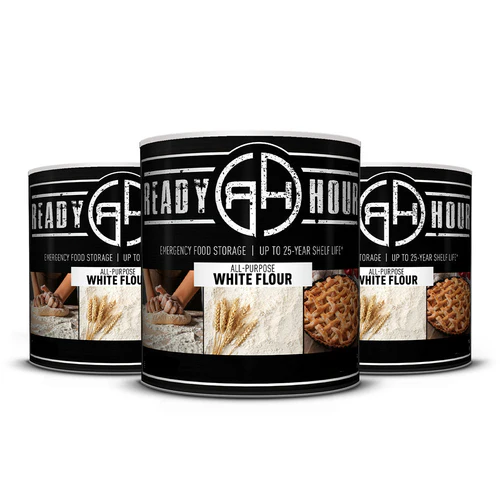
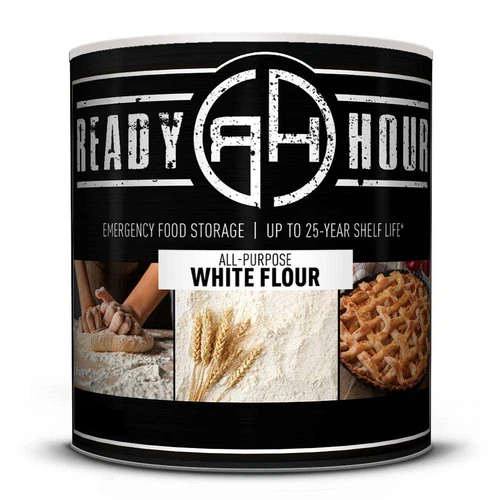
Ready Hour All-Purpose White Flour #10 Can (53 servings)
Why People Choose #10 Cans
For building a durable food reserve, #10 cans make it practical to store meaningful quantities of real food with minimal maintenance. This Ready Hour All-Purpose White Flour #10 Can delivers a substantial supply of the one baking staple almost every recipe depends on — with a long shelf life, an efficient storage footprint, and true everyday usefulness — making it easy to expand your pantry, supplement your meal kits, and keep a versatile kitchen essential ready for whatever comes.
Store-bought flour goes stale, clumps, and can attract pests within months. Sealed in a durable steel #10 can with oxygen absorbers, this all-purpose white flour stays fresh — no clumps, no odors — for up to 25 years. Use it exactly as you would any flour: breads, biscuits, cakes, pastries, pancakes and waffles, gravies, coatings, and thickeners. When the power's out or the shelves are bare, a can of flour is what turns basic staples into real, from-scratch meals.
Key Decision Factors
The practical details most people compare when choosing long-term storage foods:
- Calories: 5,830 total per can
- Servings: 53 servings per can (about 7 cups of flour)
- Protein: 159 grams total per can
- Shelf Life: Up to 25 years unopened; up to 1 year once opened*
- Preparation: Use as-is in any recipe that calls for flour
- Ingredient Type: Single-ingredient staple (wheat flour)
- Packaging: Sealed steel #10 can with oxygen absorbers — waterproof and pest-proof
- Storage Efficiency: Large-volume format designed for long-term pantry storage
- Net Weight: 56 oz (3 lb 8 oz)
- Use Flexibility: Baking staple for breads, cakes, pastries, waffles, gravies, and any flour-based recipe
- Made in the U.S.A.
How #10 Cans Fit Into a Food Storage Plan
#10 cans make it easier to strengthen your supply over time by adding dependable staple foods exactly where you need them:
- Extend your meal kits by adding extra servings of key ingredients
- Build redundancy in staples so you're not relying on a single source of food
- Customize your storage around the foods your household actually uses
- Add depth gradually, instead of committing to one large purchase all at once
#10 Cans vs. Grocery Store Cans: What's the Real Difference?
Grocery-store cans are built for short-term pantry use. #10 cans are built for long-term food storage. The difference isn't just size — it's how long they last, how much they hold, and how reliably they support real preparedness planning.
- Built for decades, not rotation: Grocery cans are meant to be used within a few years. Properly stored #10 cans stay sealed until you need them.
- More food, fewer units: Each #10 can holds far more than standard retail cans — more efficient for storing meaningful quantities.
- Storage-grade packaging: Oxygen absorbers and durable steel sealing help protect food from air, light, and moisture over the long haul.
- Designed for preparedness: Grocery cans keep meals on hand. #10 cans help you build a supply you can count on if stores aren't an option.
Preparation & Storage Notes
#10 cans are designed for long-term storage, but proper handling helps you get the most value once they're opened or put into use:
- Store in a cool, dry location to maintain maximum shelf life
- Keep unopened cans sealed until needed to preserve freshness and quality
- Once opened, transfer contents to an airtight container and use within one year
- Follow the preparation instructions on the label, as some foods require cooking or hydration
Disclaimers & Notes
*It's best to store this emergency food in a dry, cool location — a dark area, if possible — at temperatures between 55°F and 70°F. Actual shelf life may vary based on individual storage conditions.
Allergen alert: Contains wheat.
More from this category
- EMERGENCY FOOD
 Ready Hour Strawberry Flavored Cream of Wheat #10 can (47 servings)Ready Hour Strawberry Creamy Wheat #10 Can: 47 servings of hot, just-add-water breakfast. 25-year shelf life, no refrigeration. Long-term emergency food storage.$29.99 fromView
 - EMERGENCY FOOD
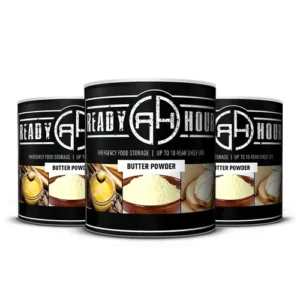 Ready Hour Butter Powder #10 can - 85 servingsReady Hour Butter Powder #10 Can: 85 servings of real powdered butter for cooking, baking & spreading. 10-year shelf life, no refrigeration. Long-term food storage.$49.99 fromView
 - SURVIVAL GEAR
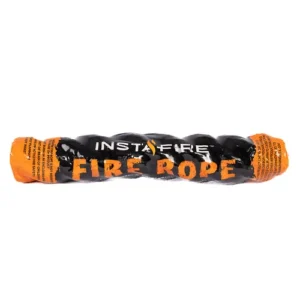 Fire Rope Fire Starter by InstaFire
InstaFire Fire Rope: waterproof, windproof tinder rope that lights ~50 fires and burns up to 4.5 hours. Cigar-sized, 100-year shelf life. Cut what you need, save the rest.
$9.95 fromView